
Reality is up for debate in most online spaces — digital media steers opinions, verdicts, and decisions at lightning speed. A single video clip fuels headlines, a screenshot sparks controversy, and a few seconds of audio set narratives in motion. And as the online world becomes increasingly reliant on media to discern what’s real, AI tools can now generate content with studio polish and convincing voices, meaning the internet serves “evidence” on demand.
In the security industry, where our work protects people, property, and accountability every day, teams are beginning to feel the pressure.
AI-generated content already fills a massive share of online publishing. Research from Graphite shows that AI-written articles reached 39% of online content within a year of ChatGPT’s release. Audio and video tools followed the same path — placing powerful creation engines into everyday hands. The Global Cyber Alliance tracked a dramatic increase in deepfake fraud attempts since AI tools became available to the public, with North America witnessing a 1,740% increase, the Asia-Pacific region increasing by 1,530% increase, and Europe a 780% increase. As a result, fabricated media travels just as fast as authentic footage, sometimes even faster.
These trends place security technology at center stage because cameras document events that influence investigations, court decisions, insurance claims, and public opinion. Video evidence can clear a suspect, prove an alibi, or confirm liability claims — and as AI-generated media grows more convincing, the integrity of that footage carries even more weight as it faces scrutiny from lawyers, regulators, insurers, journalists, and juries.
Why Authentication Must Be Built Into Video From the Start
Many security teams are rushing to adopt AI-driven tools for analysis and efficiency, but how many are prepared to defend their data against them? Not many. That contrast brings a responsibility to protect the integrity of what our cameras capture. Our cameras and surveillance systems are improving fast, but so are the AI tools that fabricate content.
With this in mind, modern security files now serve two roles at once — teams use them to spot issues quickly and respond with confidence, and those same files must stand firm under review from stakeholders. Digital forensics can spot manipulation after the fact, but manipulators thrive on speed and confusion. This means authentication needs to be built into footage from the start to get ahead.
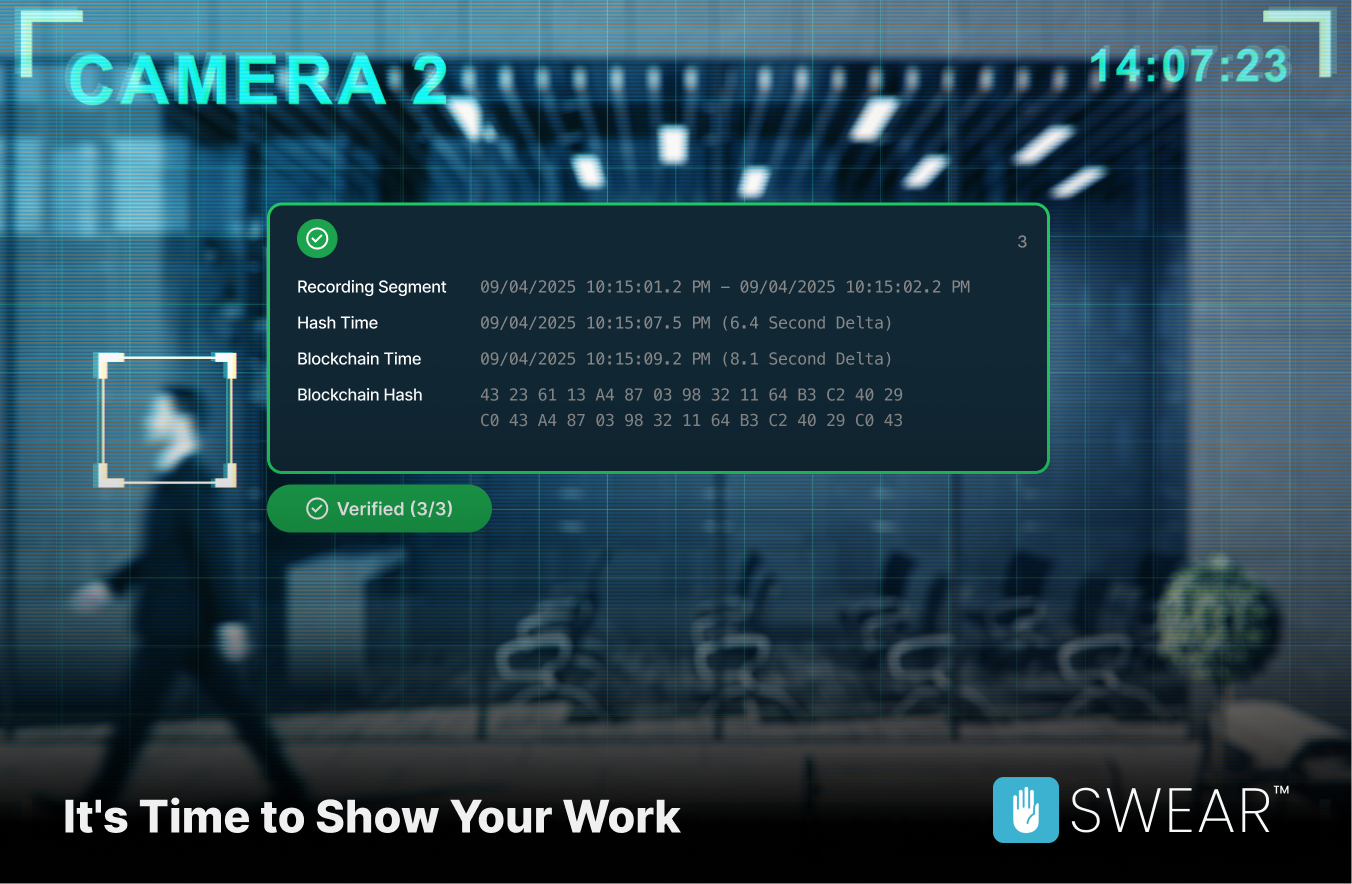
That mindset starts at capture. When a camera records video, authentication tools can attach a cryptographic fingerprint at the camera level, linking each frame to a clear chain of custody. Blockchain technology fits naturally into this process, acting as a record of where footage originates, where it travels, and who accesses it. This approach embeds trust directly into the footage itself rather than adding verification later under pressure.
Why Security Leaders Must Prove, Not Just Protect
But what does this look like in practice? Law enforcement benefits from footage that stands firm in court. Operators of critical infrastructure gain clarity around incidents and compliance. Enterprises strengthen credibility when disputes arise. Authentic media builds confidence among partners, stakeholders, and communities across every industry by establishing a consistent foundation for review and resolution.
It’s time for security leaders to show their work. We’re living in the age of AI — that means it’s no longer enough to verify media after the fact. In a world where convincing deepfakes are quickly becoming part of everyday life, authenticity should be baked into every frame and video from the start. Here’s where you can begin that journey.