

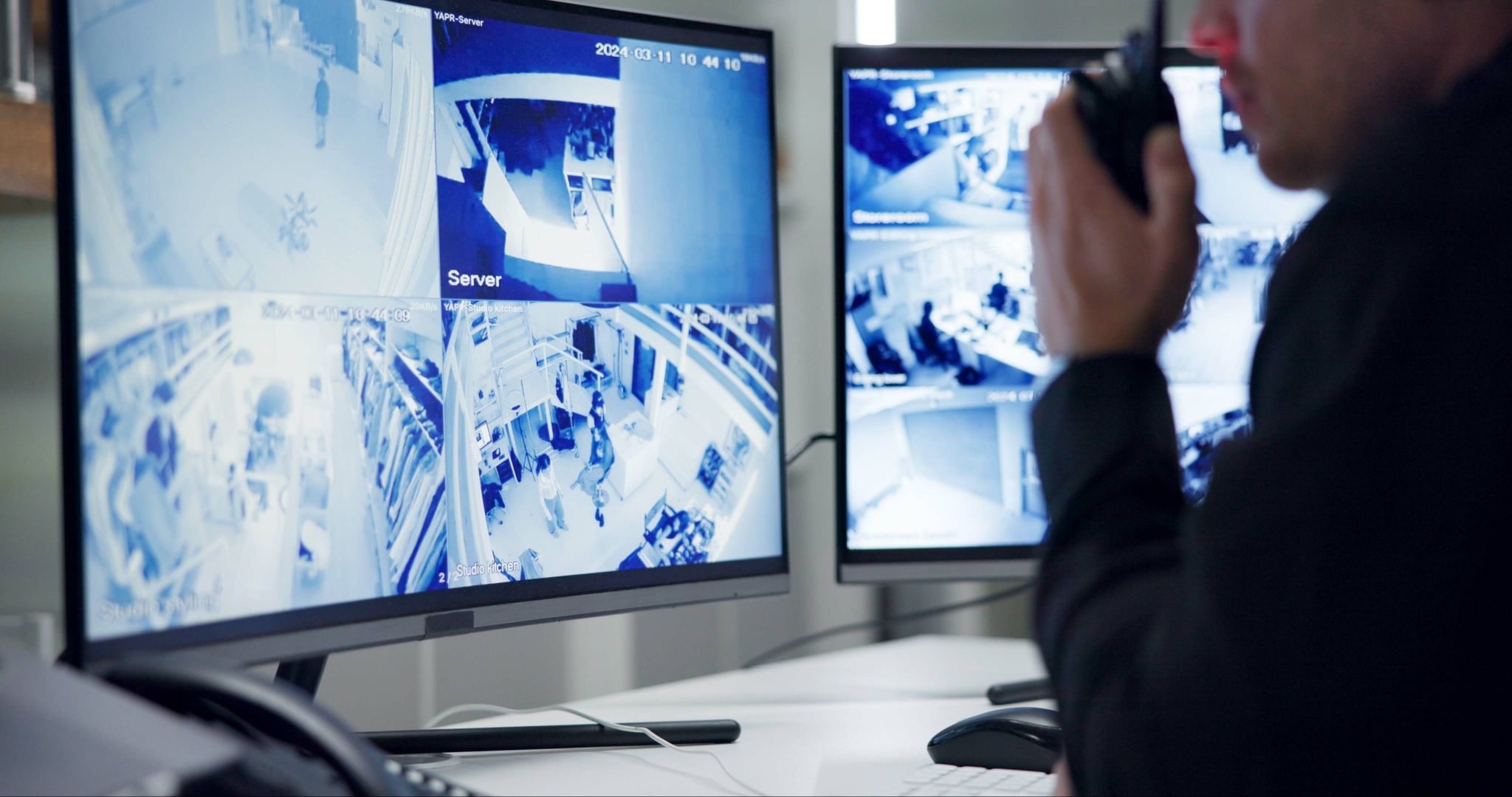
For decades, the security industry has operated on a simple promise: a camera captures what happened, and the recording provides the proof.
Artificial intelligence is putting that promise to the test. As deepfake tools become more accessible and AI-generated content becomes harder to distinguish from authentic footage, trust in all digital video is beginning to decline.
The question is no longer only, “What does the video show?” It is also, “Can you prove this video is real?”
Video No Longer Gets the Benefit of the Doubt
Imagine a surveillance recording becomes central to an investigation or legal dispute. The opposing party does not prove the footage is fake. Instead, they suggest it could have been generated or altered by AI.
That doubt alone may be enough to weaken the recording’s evidentiary value.
This tactic, often called the “deepfake defense,” is already influencing legal discussions. It means customers will increasingly need systems that do more than capture and store video. They will need a reliable way to prove footage is authentic and unchanged.
Traditional Protections May Not Be Enough
Encryption, watermarking, hashing, and metadata have supported video security for years. While these tools remain valuable, many were designed for a time when the primary risks were intercepted files and straightforward edits.
AI presents a different challenge. It makes manipulation easier, but it also makes authentic footage easier to question.
Deepfake detection cannot solve the problem alone, either. Detection technologies and manipulation tools are advancing alongside one another, creating a continuous arms race.
A stronger approach is to establish authenticity when video is captured and preserve that proof throughout the recording’s lifecycle.
Authenticity Must Follow the Evidence
Video rarely stays within the original security system. It may be exported from a VMS, shared with law enforcement, sent to an insurer, or reviewed by legal teams months later.
Confidence in the recording must survive every one of those handoffs.
For integrators and channel partners, this creates an opportunity to deliver value beyond hardware. Security professionals can ask vendors better questions, document deployments more carefully, and help customers develop stronger practices for exporting, transferring, and storing evidence.
Our industry has never been solely in the business of recording video. We are in the business of creating evidence. As AI makes recordings easier to challenge, proving authenticity will become essential to keeping that promise.